
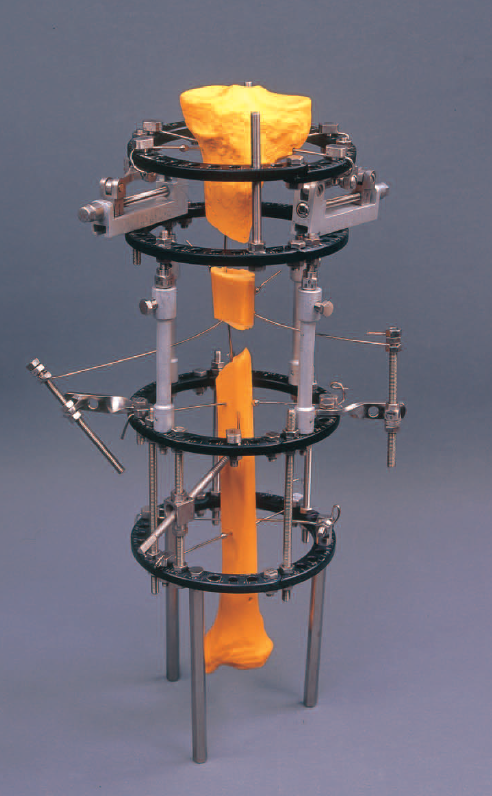
What Is an External Fixator System? Uses, Benefits, and Applications in Orthopedic Surgery
External fixation is one of the most critical techniques in modern orthopedic trauma management. An external fixator system is widely used to stabilize fractures, correct deformities, and manage complex bone injuries, especially in emergency and high-risk cases.
This article provides a comprehensive overview of external fixation systems, their clinical applications, benefits, types, and their role in advanced orthopedic surgery.
What Is an External Fixator System?
An external fixator system is a medical device used to stabilize bones from outside the body using pins or wires inserted into the bone and connected to an external frame.
Unlike internal fixation methods such as plates or intramedullary nails, external fixation allows surgeons to maintain fracture alignment without opening the fracture site extensively.
Explore our advanced solution here: External Fixator System
Main Uses in Orthopedic Surgery
External fixation is commonly used in the following situations:
- Open fractures with soft tissue damage
- Severe trauma and emergency stabilization
- Temporary fixation before definitive surgery
- Limb lengthening and deformity correction
- Infection management where internal implants are not suitable
In trauma cases, it is often combined with other systems such as: Trauma Systems
Key Benefits of External Fixator Systems
- Minimally invasive approach with reduced surgical exposure
- Rapid stabilization in emergency settings
- Adjustability for alignment correction during healing
- Reduced infection risk compared to internal implants in contaminated wounds
- Versatility across multiple fracture types
Types of External Fixators
External fixation systems are available in different configurations depending on clinical needs:
1. Unilateral External Fixators
Used for simple fractures and temporary stabilization.
2. Circular (Ring) Fixators
Used in complex deformity correction and limb reconstruction procedures.
3. Hybrid Systems
Combine features of unilateral and circular systems for enhanced flexibility.
When Do Surgeons Prefer External Fixation?
Surgeons choose external fixation in cases where:
- Soft tissue damage is severe
- Immediate stabilization is required
- Patient condition does not allow long surgery
- There is a high risk of infection
It is often used alongside internal fixation techniques such as:
Role in Modern Orthopedic Trauma Management
External fixation remains a cornerstone in damage control orthopedics (DCO), allowing rapid stabilization of fractures in critically injured patients.
It is also widely used in battlefield injuries, high-energy trauma, and complex reconstruction procedures.
Integration with Advanced Implant Systems
Modern orthopedic treatment often involves combining external fixation with other implant systems such as:
This integrated approach improves clinical outcomes and accelerates patient recovery.
Conclusion
The external fixator system is a vital tool in orthopedic surgery, offering a safe, flexible, and effective method for fracture stabilization and complex bone management.
With continuous advancements in implant design and surgical techniques, external fixation remains an essential part of modern orthopedic solutions.
References
- AO Foundation – Principles of External Fixation
- Rockwood and Green’s Fractures in Adults
- Campbell’s Operative Orthopaedics
- WHO Guidelines on Trauma Care
- Journal of Orthopaedic Trauma