Bone Fracture Treatment Options: Surgical and Non-Surgical Methods Explained
Bone fractures are among the most common orthopedic injuries, affecting people of all ages. Proper treatment is essential to ensure correct healing, restore function, and prevent complications.
This guide explains the main bone fracture treatment options, including both non-surgical and surgical approaches, and how modern orthopedic implants play a critical role in recovery.
What Is a Bone Fracture?
A bone fracture occurs when a bone is subjected to force beyond its strength, leading to a break or crack. Fractures can range from simple cracks to complex multi-fragment injuries.
Non-Surgical Treatment Options
1. Immobilization
In many cases, fractures can heal without surgery using casts or splints to keep the bone in proper alignment.
- Common for minor fractures
- Used in children and stable injuries
- Requires regular monitoring
2. Traction
Traction is sometimes used to align bones before further treatment, especially in complex fractures.
Surgical Treatment Options
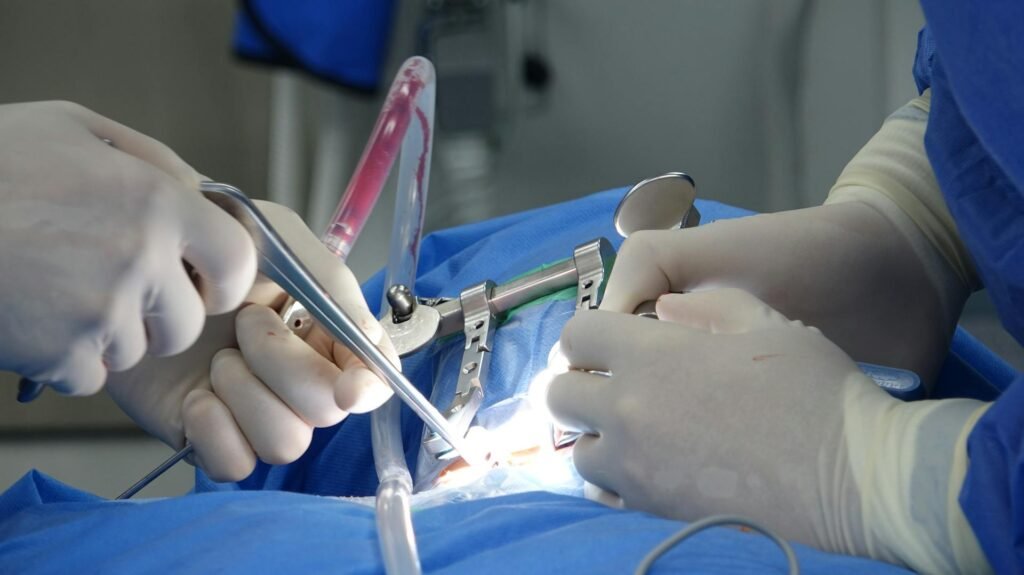
Surgery is required when fractures are unstable, displaced, or involve multiple fragments.
1. Internal Fixation
Internal fixation involves placing implants inside the body to stabilize bones.
2. External Fixation
External fixation stabilizes fractures using an external frame connected to the bone.
3. Intramedullary Nailing
A rod is inserted into the bone canal to stabilize long bone fractures.
Explore: Interlocking Nail System
How Doctors Choose the Right Treatment
The treatment method depends on several factors:
- Type and location of fracture
- Patient age and health condition
- Severity of displacement
- Presence of soft tissue damage
Benefits of Surgical Fixation
- Faster recovery
- Better alignment
- Early mobility
- Reduced complications
Conclusion
Understanding bone fracture treatment options helps patients and professionals choose the most effective approach. With modern orthopedic technologies, treatment outcomes have significantly improved, allowing faster healing and better quality of life.